

SURROUNDINGS
The area around the Gorni Museum
Nuvolato, the Matildic Church, the Parietal Works, the Mulberry Trees, San Rocco—a cultural landscape to discover around the museum.
QUISTELLO CLOUD
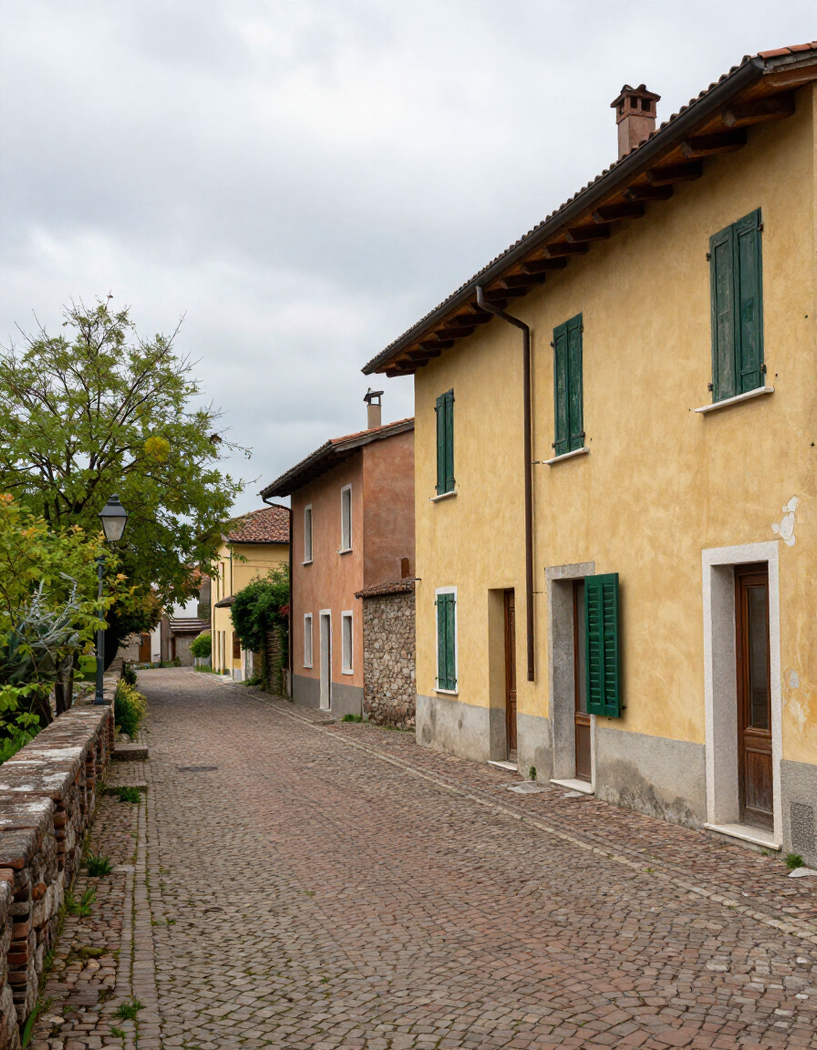
Nuvolato is a small hamlet in the municipality of Quistello, in the southern province of Mantua, located in the Po Valley, characterized by mulberry trees, irrigation canals, and vast agricultural swathes. It is the birthplace of Giuseppe Gorni and the place he returned to in his later years, making the village and its museum inseparable. Nuvolato's tranquil, rural character—its quiet streets, fields stretching to the horizon, the diffused light of the Po River—directly nourished Gorni's visual sensibility, his predilection for essential forms and earthly materials.
The Diffused Museum model means that Gorni's works are not confined to a single building, but distributed throughout the village and surrounding area—in public squares, churches, and open spaces—making the community itself an extension of the collection. Visitors are invited to wander the village streets as an integral part of the museum experience: every corner of Nuvolato is potentially an exhibition space, every facade a potential dialogue with Gorni's art.
MATILDI CHURCH
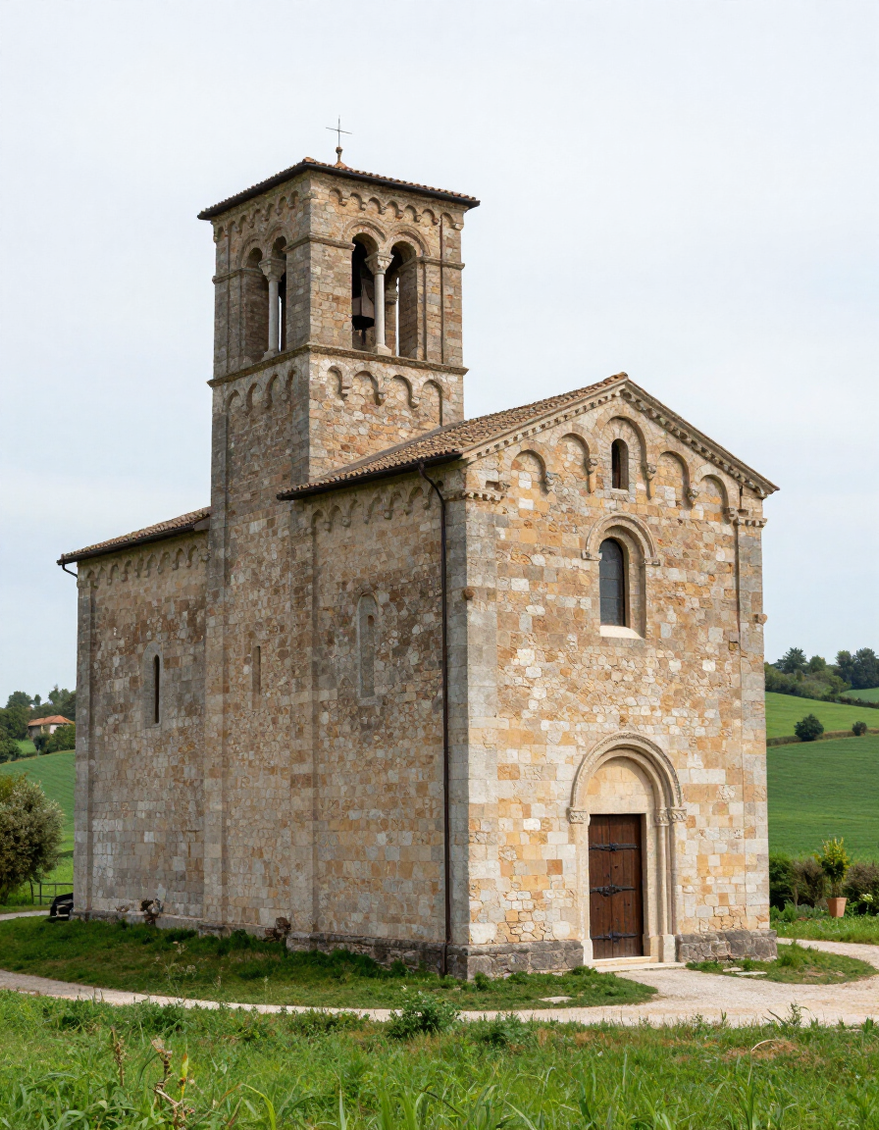
The Matildic Church is a parish church with Romanesque elements in the Quistello area, named after the medieval legacy of Countess Matilda of Canossa, whose influence shaped ecclesiastical architecture throughout the lower Po Valley. The church, which retains original decorative elements and evidence of the local medieval style, represents one of the most significant historical and architectural landmarks in the southern Mantua area.
The church is a natural stop on the Percorsi Gorni cultural itinerary: its sacred context and historical significance have profoundly influenced Gorni's artistic and spiritual horizons, weaving an invisible thread between its sculpture and the religious identity of the area. Including a visit to the Matildica Church in your itinerary means a deeper understanding of the cultural roots that inform the work of the master from Nuvolato.
PARIETAL WORKS
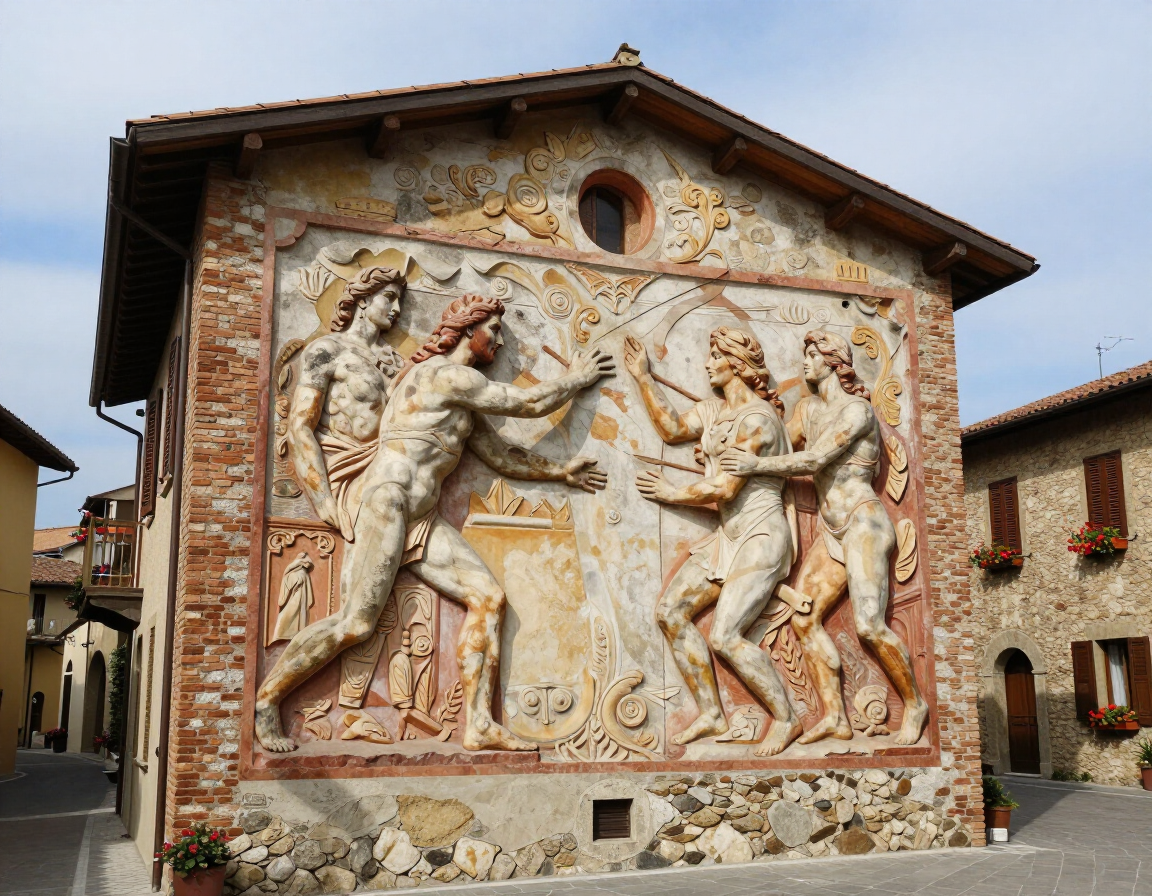
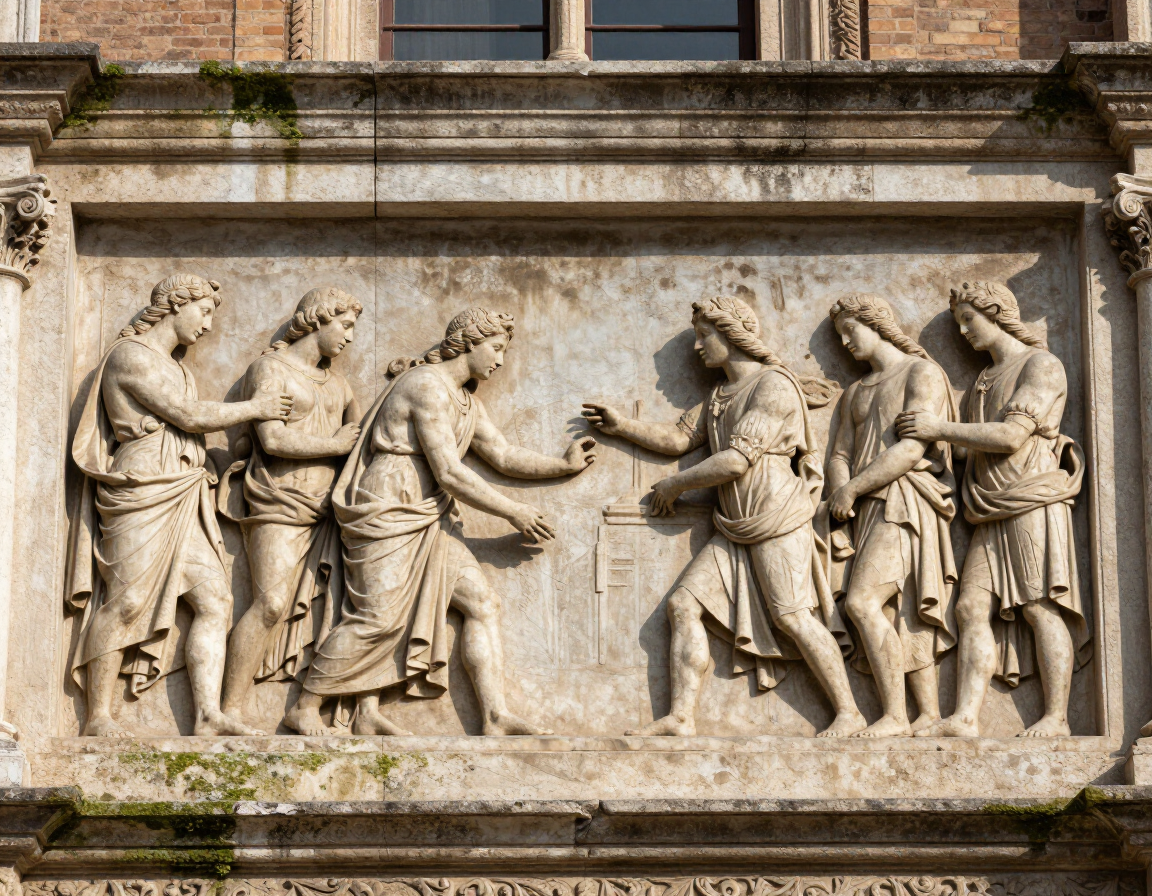
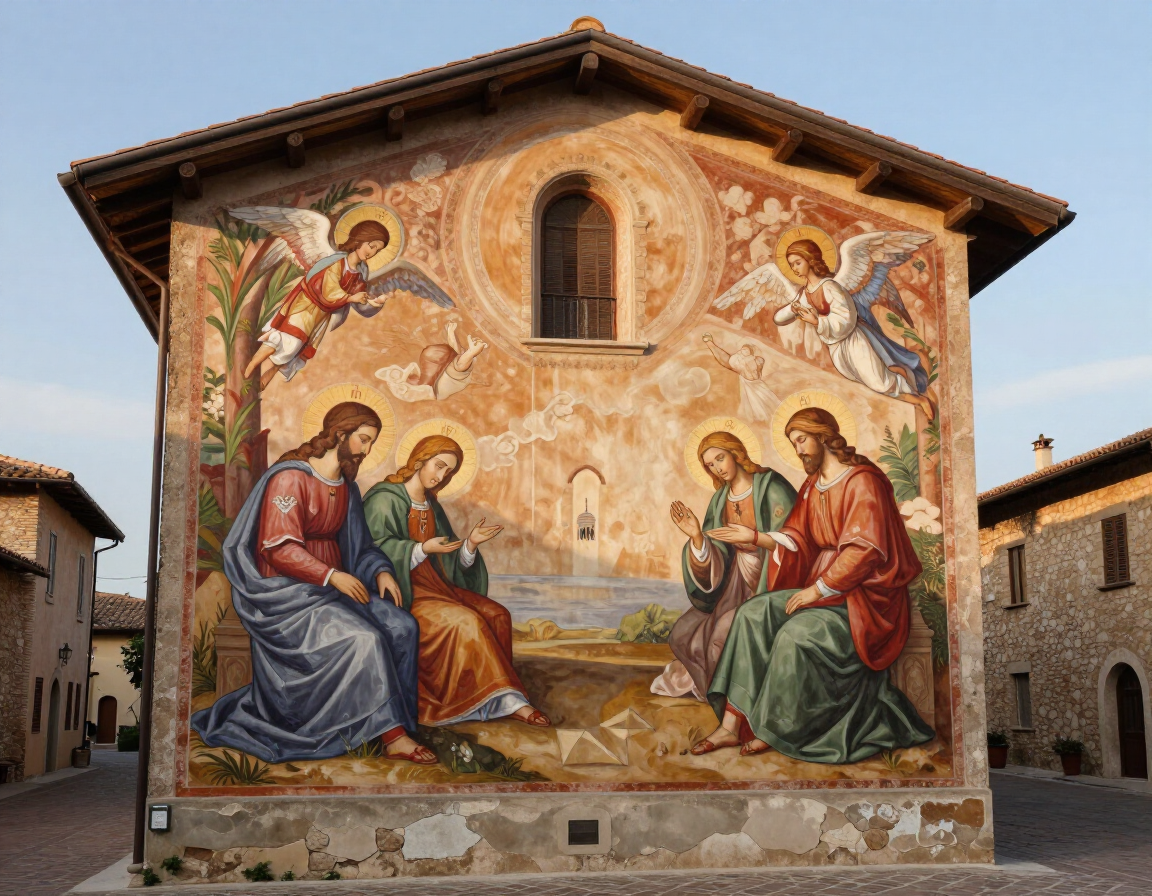
Gorni's Parietal Works are large frescoes and mural reliefs permanently installed on exterior and interior walls throughout Nuvolato and the municipality of Quistello. Unlike easel sculpture, these site-specific works were conceived as inseparable from their architectural and community context—making them the most authentic expression of the "widespread museum" concept. Their repertoire is broad: civic buildings, churches, local institutions, and public spaces bear the marks of Gorni's creative gesture, transforming the entire town into an open-air museum.
These works are accessible as part of guided and self-guided tours. Visitors can follow the dedicated itinerary of the Wall Paintings to admire all the main murals on foot or by bicycle. A complete map of the itinerary is available on the Itineraries page.
Parietal Work
Relief Detail
Mural Fresco
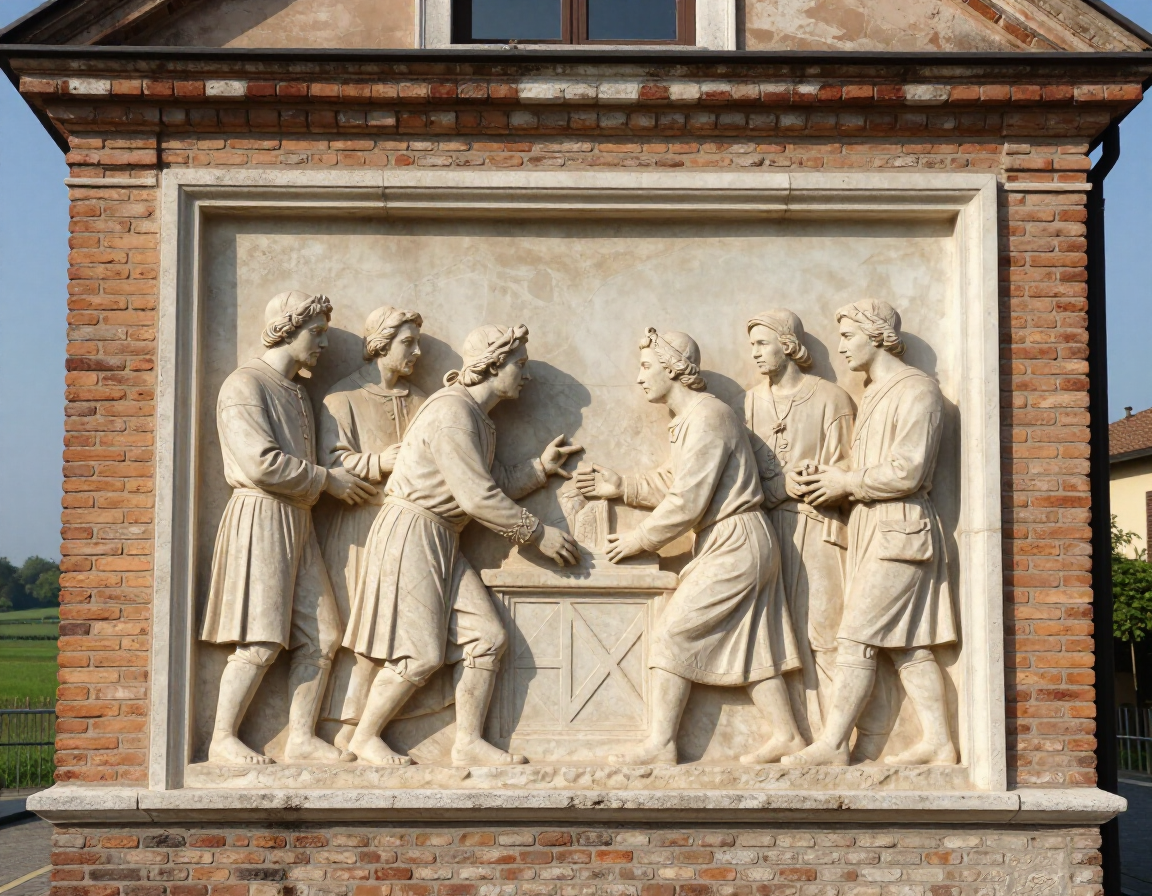
Civic Relief
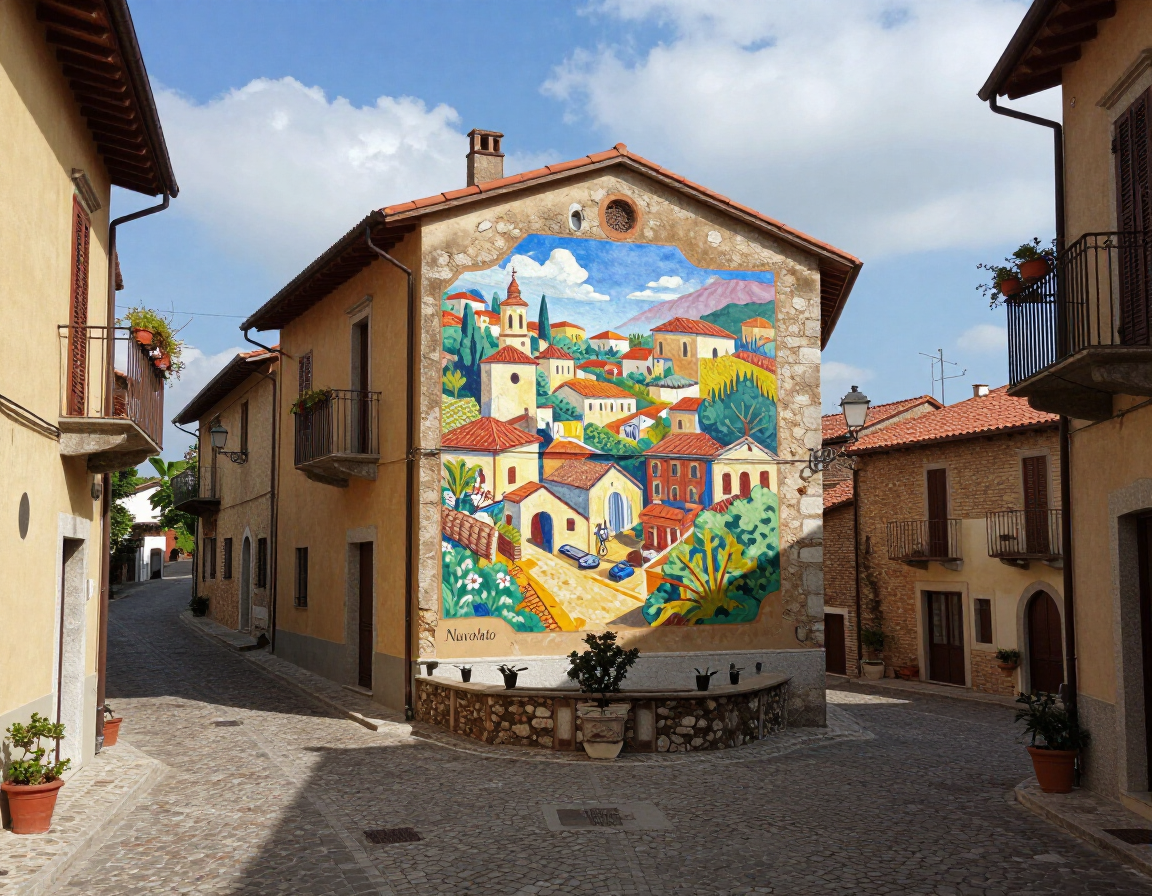
Works in the Territory
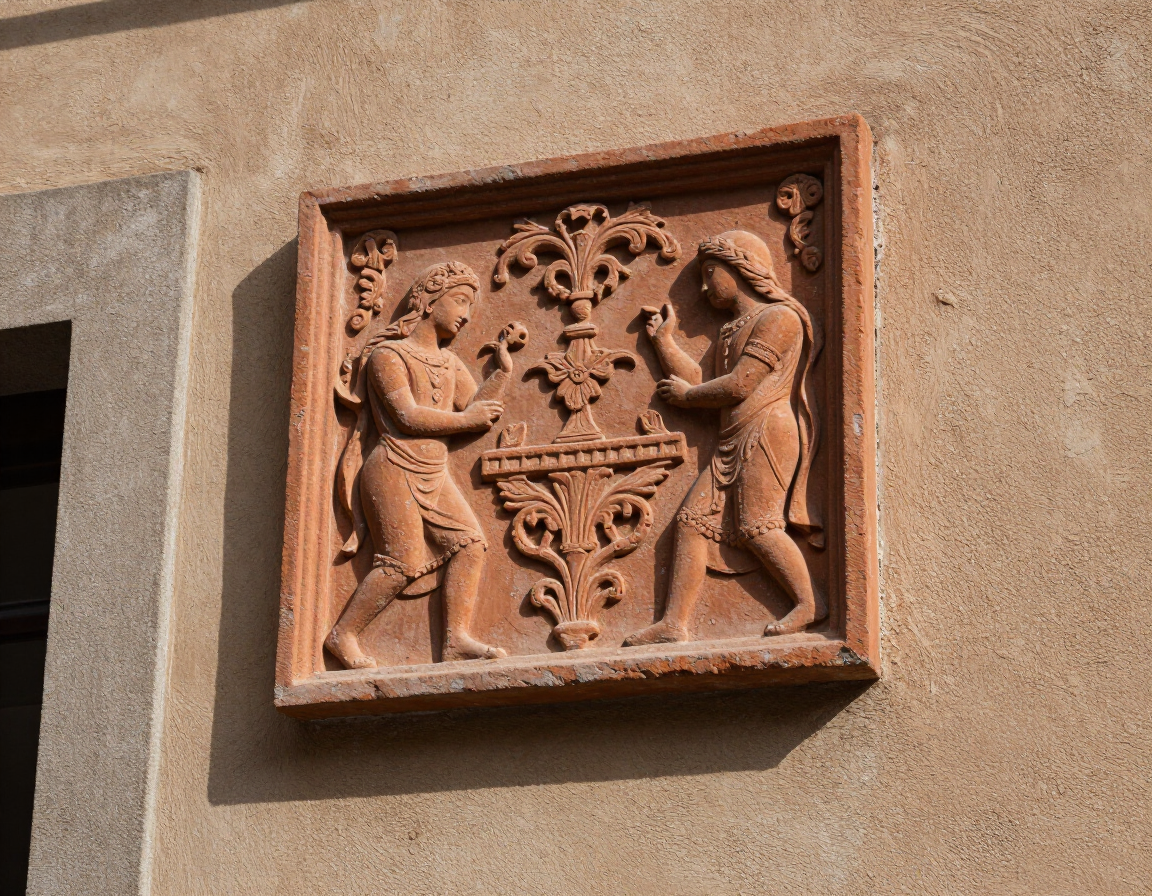
Terracotta bas-relief
THE MULBERRIES AND SAN ROCCO
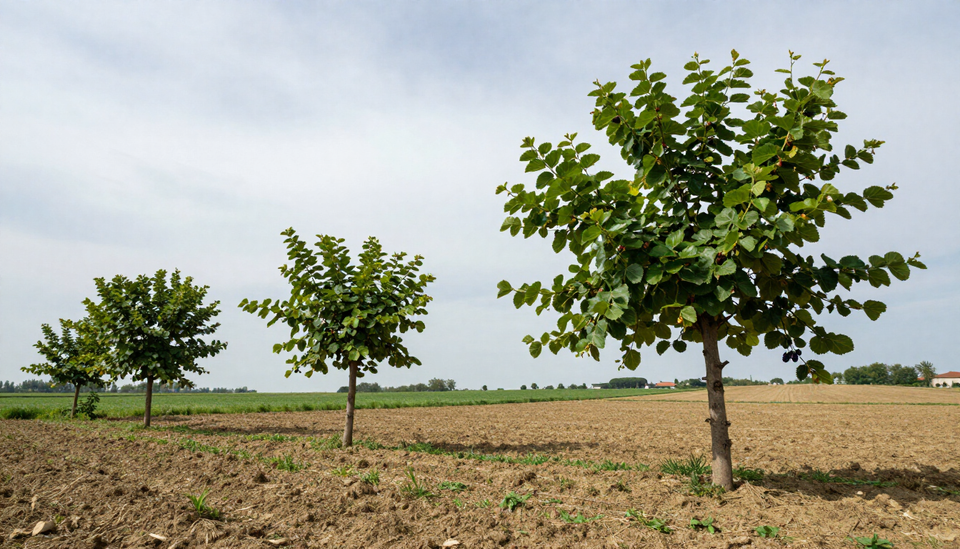
The Mulberries
Mulberry trees—the silk mulberry trees—are a defining feature of the Po Valley's agricultural landscape and hold a particular cultural resonance in the Quistello area. Historically linked to the silk production that fueled the local rural economy for centuries, they appear as a recurring motif in the area's landscape identity. Their branching silhouette, the long shadows on the open fields, and the rhythm with which they punctuate the country roads speak of a land Gorni has known since childhood, and which returns—transfigured—in his visual exploration of form and rootedness.
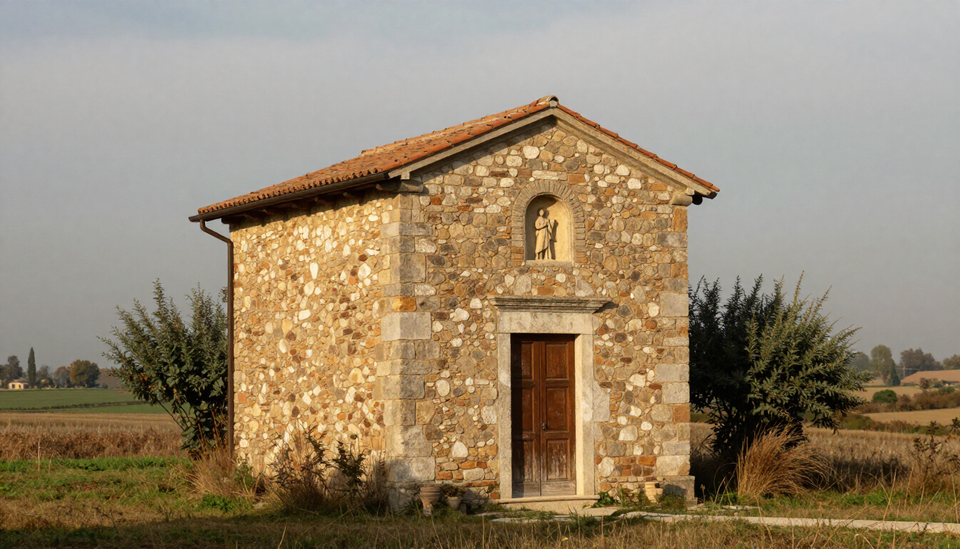
Saint Rocco
The Oratory of San Rocco is a small sacred place in the area—one of many devotional sites dotting the Mantua plain. Dedicated to the patron saint of plague victims and pilgrims, this small building bears witness to rural religious life that has spanned the centuries. Its setting in the open landscape, its architectural simplicity, and its connection to the local community make it an emotionally significant stop on the cultural itinerary of the diffused museum—a place where the spirituality of the area and collective memory meet.
HOSPITALITY
Nuvolato di Quistello and the surrounding Oltrepò Mantovano offer a wide variety of accommodations and restaurants for those wishing to extend their stay. From agritourisms in the Po Valley to family-run trattorias serving traditional Mantuan cuisine, the area amply rewards a visit of one or more days.
Where to Sleep
The Quistello area offers several accommodation options, just a few kilometers from the museum:
- Farmhouses on agricultural estates with comfortable rooms and breakfasts featuring local products (2–5 km)
- B&B in the village of Nuvolato and surrounding hamlets (within 3 km)
- Small hotels and guest houses in the center of Quistello (5 km)
Where to Eat
Mantuan cuisine is among the richest in the Po Valley tradition. In the trattorias and osterias around Nuvolato, you'll find:
- Pumpkin tortelli with butter and sage — the signature dish of Mantua cuisine
- Risotto alla pilota with luganega, according to the traditional Gonzaga recipe
- Local cured meats, lard, and cotechino from the Oltrepò Mantovano area
Farmhouse
The Oltrepò Mantovano is full of farmhouses that offer slow tourism experiences in contact with nature:
- Farm stay with tasting of typical local products: wines, honey, artisanal preserves
- Cycling routes through fields and canals starting from local farmhouses
- A slow-travel weekend combining a museum visit with rural life in the Po Valley.