

EXPOSURE
The permanent works and temporary exhibitions of the Gorni Museum — sculpture, painting and drawing by Giuseppe Gorni (1894–1975)
PERMANENT COLLECTION
The permanent collection constitutes the intellectual and historical core of the Gorni Museum, offering a systematic interpretation of Giuseppe Gorni's entire creative career. The exhibition begins with works from his early academic training in Bologna and leads to his mature works, through a sequence of rooms dedicated to sculpture, bas-relief, painting, and drawing. The exhibition offers a glimpse into the transformations of Gorni's formal language within the Italian artistic context of the 20th century, encompassing neoclassical influences, figurative realism, and independent expressive exploration.
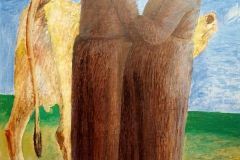
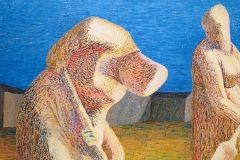
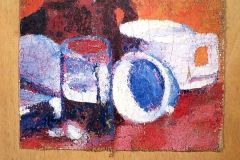
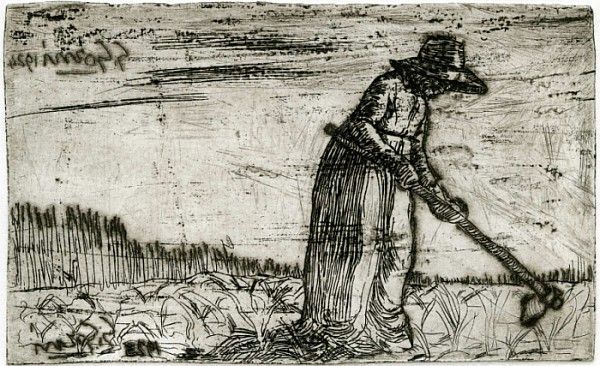
THE OILS: FIRST FLOOR – CORRIDOR The production of oil paintings consists of a very limited number of examples, all dating from the late 1910s to the early 1920s. The predilection for sculpture is evident, so much so that the plastic structure of these bodies, captured in poses and gestures of an ancient rural ritual, is the pictorial equivalent of contemporary sculptures.
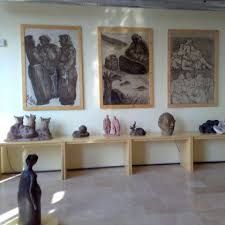
SCULPTURE SECTION: FIRST FLOOR – ROOM III
“When you represent something with the main form of its intimacy or its essence, it acquires greater potential” (G.Gorni, 5 notebooks, short stories, notes)
The sculptures, modeled from clay from the Po River, capture the strength of the earth, rendering the poses charged with vigor and passion. The portraits, then, demonstrate the artist's desire to tell the story of herself and her loved ones, capturing their intimacy through the vibration of her brushstrokes. Gorni has imbued her figures with a communicative power that transcends words through gestures and gazes.
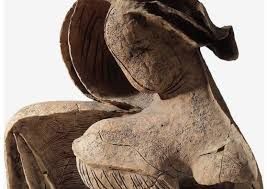
The Thirties
“I attempted to combine sculpture with real objects so as to obtain compositions that were immediately and easily understood, so that the work thus conceived would belong to a vast public and not be restricted to a few”
The artist's intention is to express the naturalness and therefore the simple and direct truth of the things depicted. The straw-seated chair is merely a necessary tool for the viewer to identify with the subject, so that the subject depicted is no longer simply a boy leaning on the seat of a chair, but becomes the sorrows of Salve, Gorni's eldest son.
In Boy with Puppets the sculptor immortalizes the boy's amazed attitude: his eyes and mouth are wide open and his legs and arms are inert in the face of a spectacle that we can only imagine when we enter the same space as the subject.
Plastic research
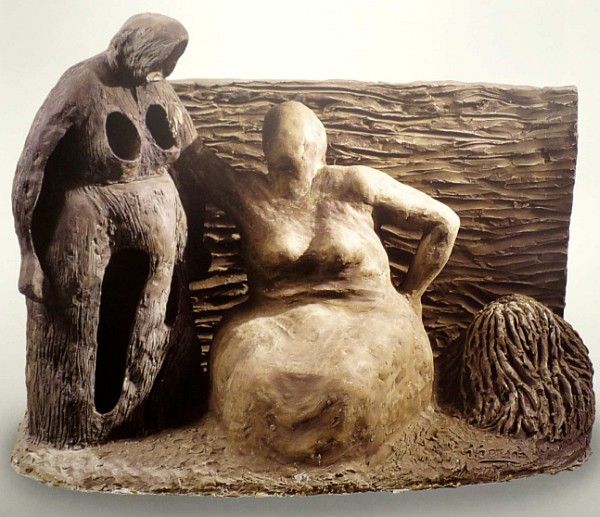
The subjects arise from the vivid memory of the places and people of his countryside, where the farmers, bent over work or sitting at rest, resemble tree trunks with hard, wrinkled bark, charged with light and swathed in shadow. Gorni doesn't depict wartime situations, despite having experienced them firsthand, but instead seeks escape from such anguish in the past.
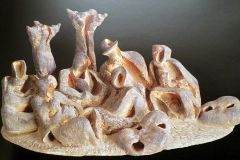
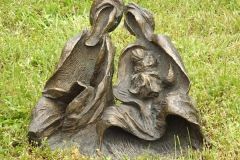
The plastic research in the works linked to the post-war period, between the late 1940s and the 1950s, is determined by the play of full and empty volumes that are very close to the contemporary experiments of Martini and Moore.
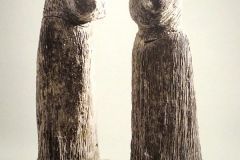
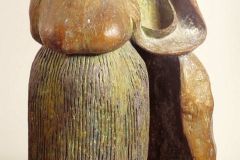
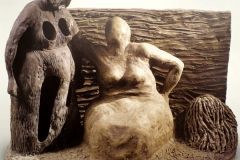
The sculptures are imbued with a psychological heaviness that no longer simply belongs to the artist but to the entire cosmos: the figures outlined in large shawls are waiting, with a throbbing and undulating workmanship of the clay, which cancels out the sharpness of the contours.
In these years Gorni participated in the Suzzara Prize, winning the sculpture prize in the year the Prize was founded, 1946.
TEMPORARY EXHIBITIONS
The museum hosts a rotating program of temporary exhibitions that contextualize Gorni's work within the broader Italian and European artistic movements of the first half of the 20th century. Some exhibitions feature contemporary artists invited to engage with his figurative legacy, creating a fruitful exchange between tradition and current research.
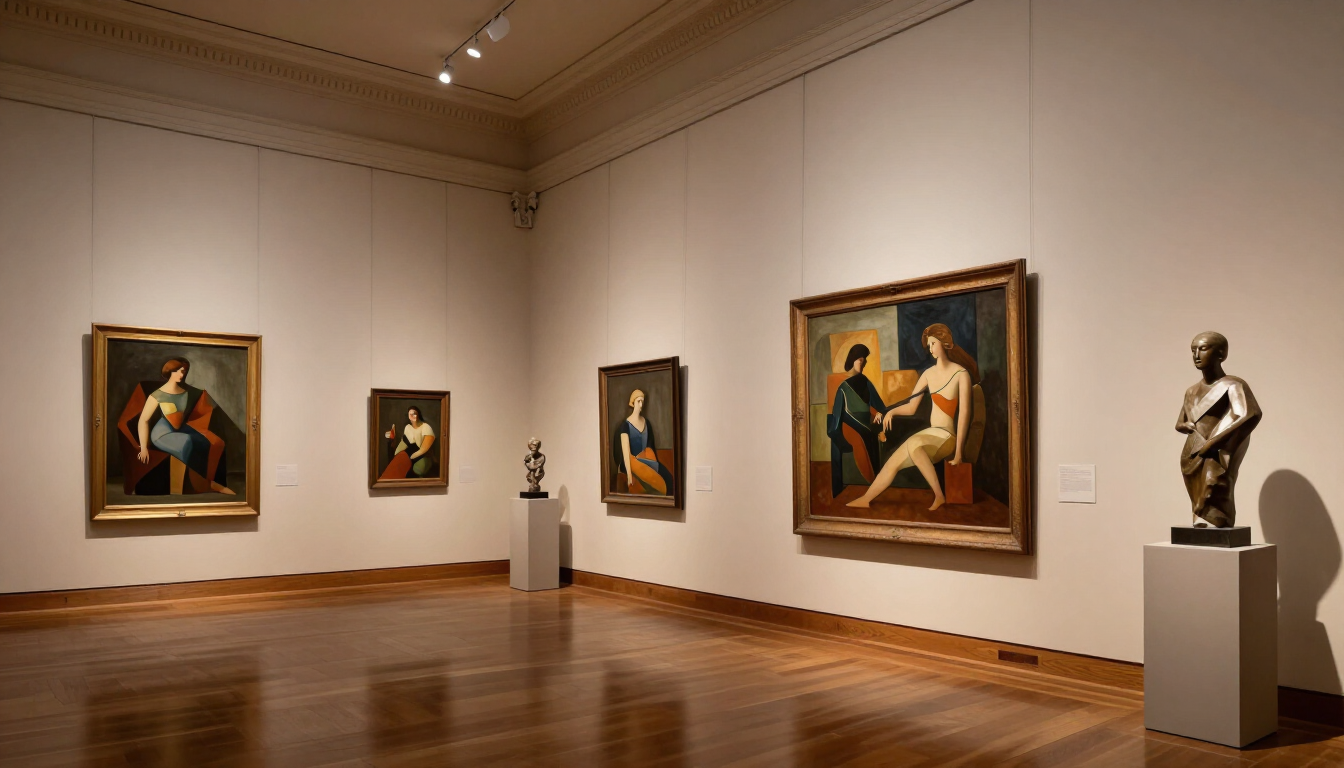
Gorni and the twentieth century
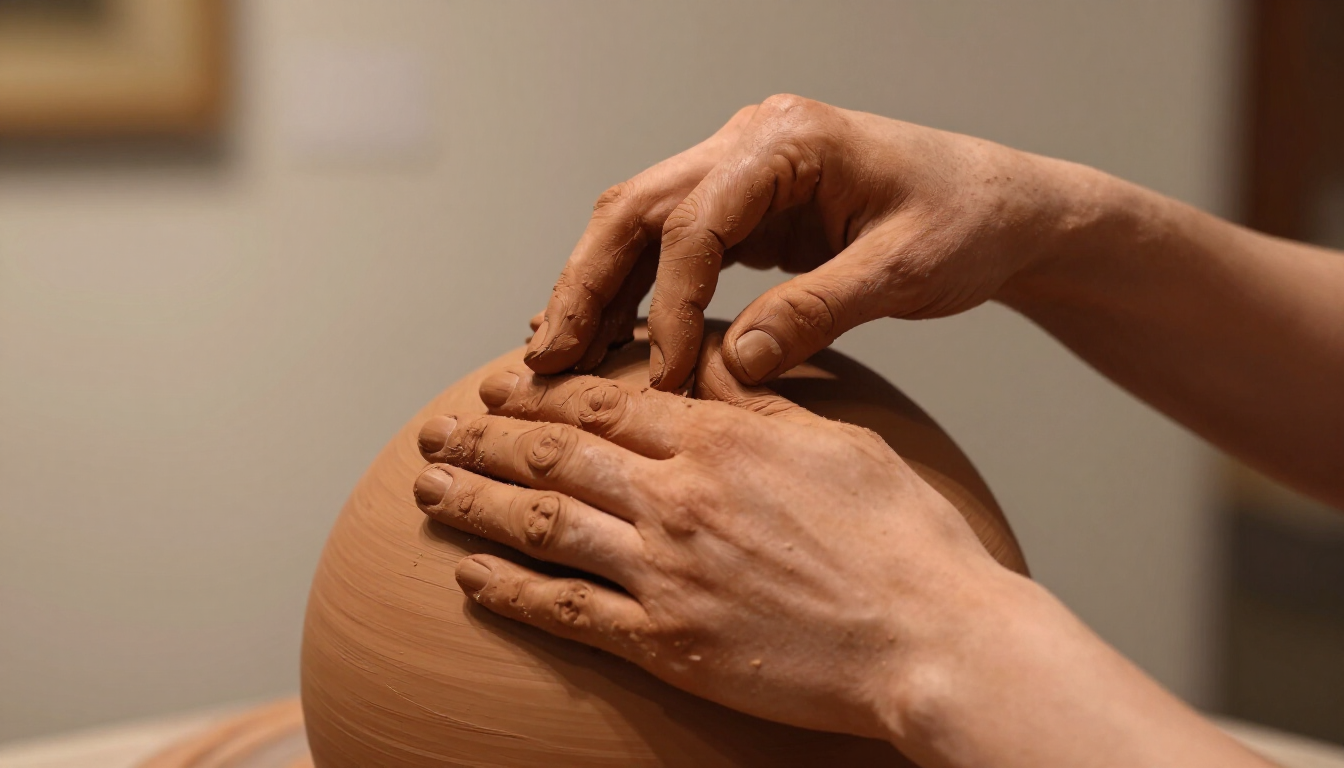
Lands and Forms
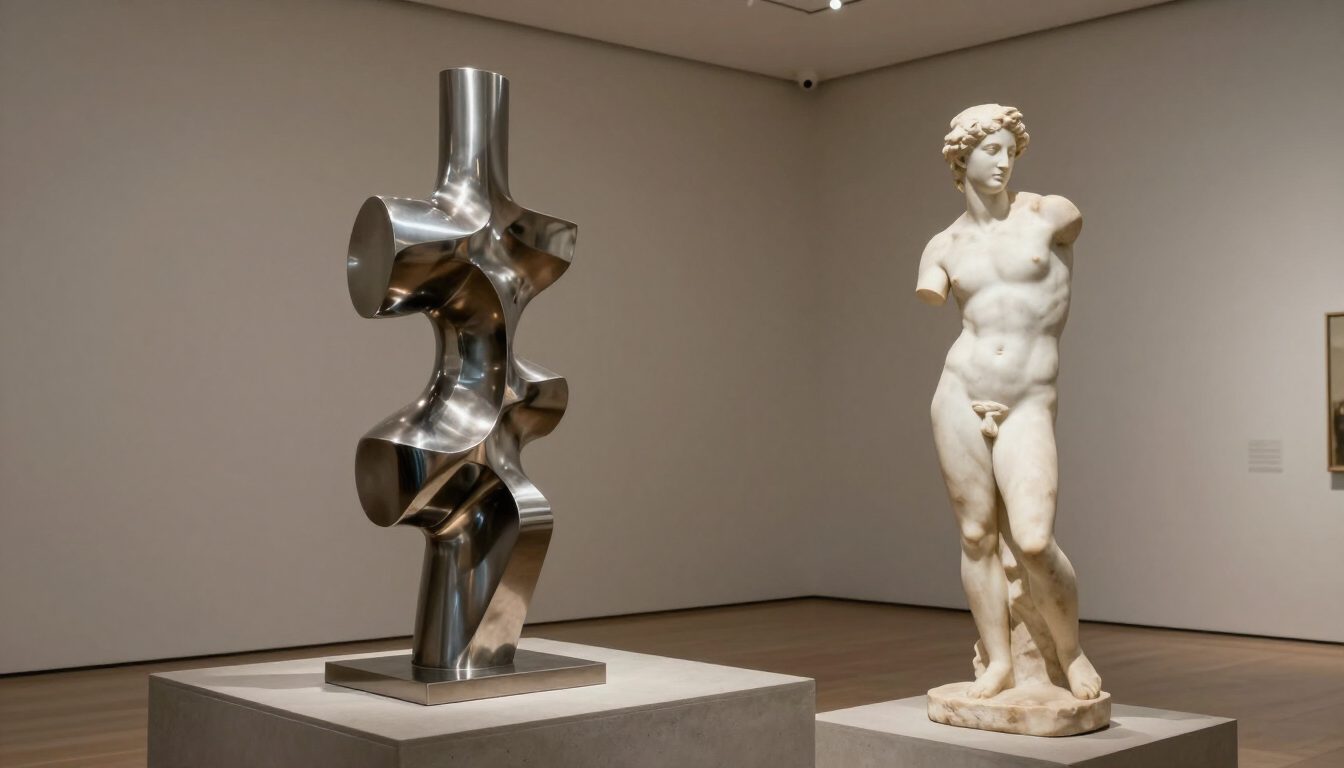
Contemporary Dialogues
Gorni and the twentieth century
Lands and Forms
FEATURED WORKS
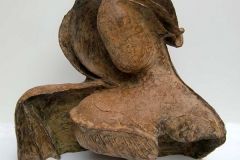
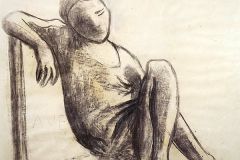
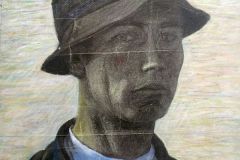
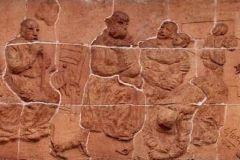
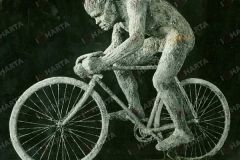
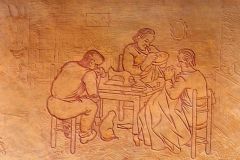
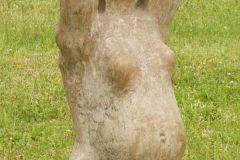
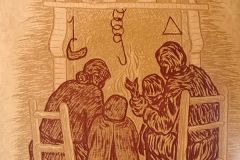
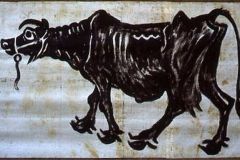
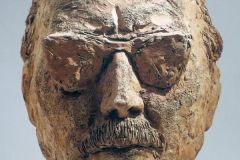
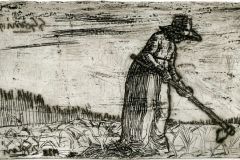
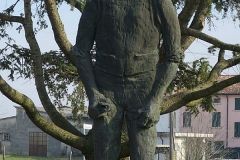
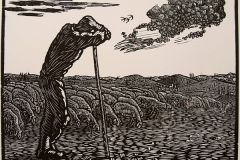
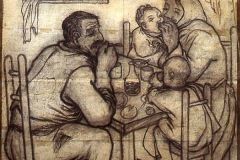
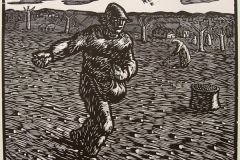
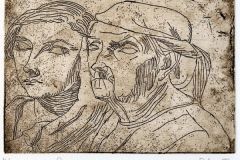
This selection is not an exhaustive catalog, but rather an editorial journey through some of the works that best illuminate Giuseppe Gorni's technique, themes, and emotional register. Each work is chosen for its ability to evoke, with visual immediacy, the depth of his artistic research. Visitors are invited to pause, observe, and allow each piece to question them.
DISCOVER THE COLLECTION
The complete visual archive of Giuseppe Gorni's works is available in the museum's Photo Gallery, where high-resolution images allow you to explore every detail of his work. To experience the original works firsthand, we invite you to plan your visit to the Nuvolato di Quistello museum: opening hours, booking options, and accessibility information are available in the Visits section.